An internal tool nobody has time to build
Operations, back office, a customer portal. The business case is obvious and it has been on the backlog for a year. Weeks, not quarters.
For companies and founders who need to turn an idea, an opportunity or an internal problem into working software. The same product judgment I have applied for 9+ years, carried further: I define and scope the product, orchestrate a team of AI coding agents to build it under human review and quality gates, and own testing, security, deployment and the handover. Not a prototype: a system in production that your team can continue. I did it on Acervo first, for a private client.
I scope what’s worth building, orchestrate a team of AI agents to build it, and own the rollout to production, inside your business.
Operations, back office, a customer portal. The business case is obvious and it has been on the backlog for a year. Weeks, not quarters.
Not a Figma prototype and not a no code mock. A thin product in production with real users, so the decision is made on evidence.
You have engineers and you want the method: how to split work, what gates to put in, what to never let an agent touch. I bring the system I run and adapt it to yours.
Product opportunity assessment. Two weeks to understand the business opportunity, identify what should be built, define an initial scope, name the risks and dependencies, and recommend an execution approach. It stands on its own, and a build that starts from it starts from a written scope instead of a conversation.
Start with the assessment →I defined the product, designed it and shipped it with an AI engineering team under two human gates. The case shows the real numbers from the GitHub API: 445 merges, 1,456 CI runs, 15 releases, and the day the security gate said no.
Read the case study →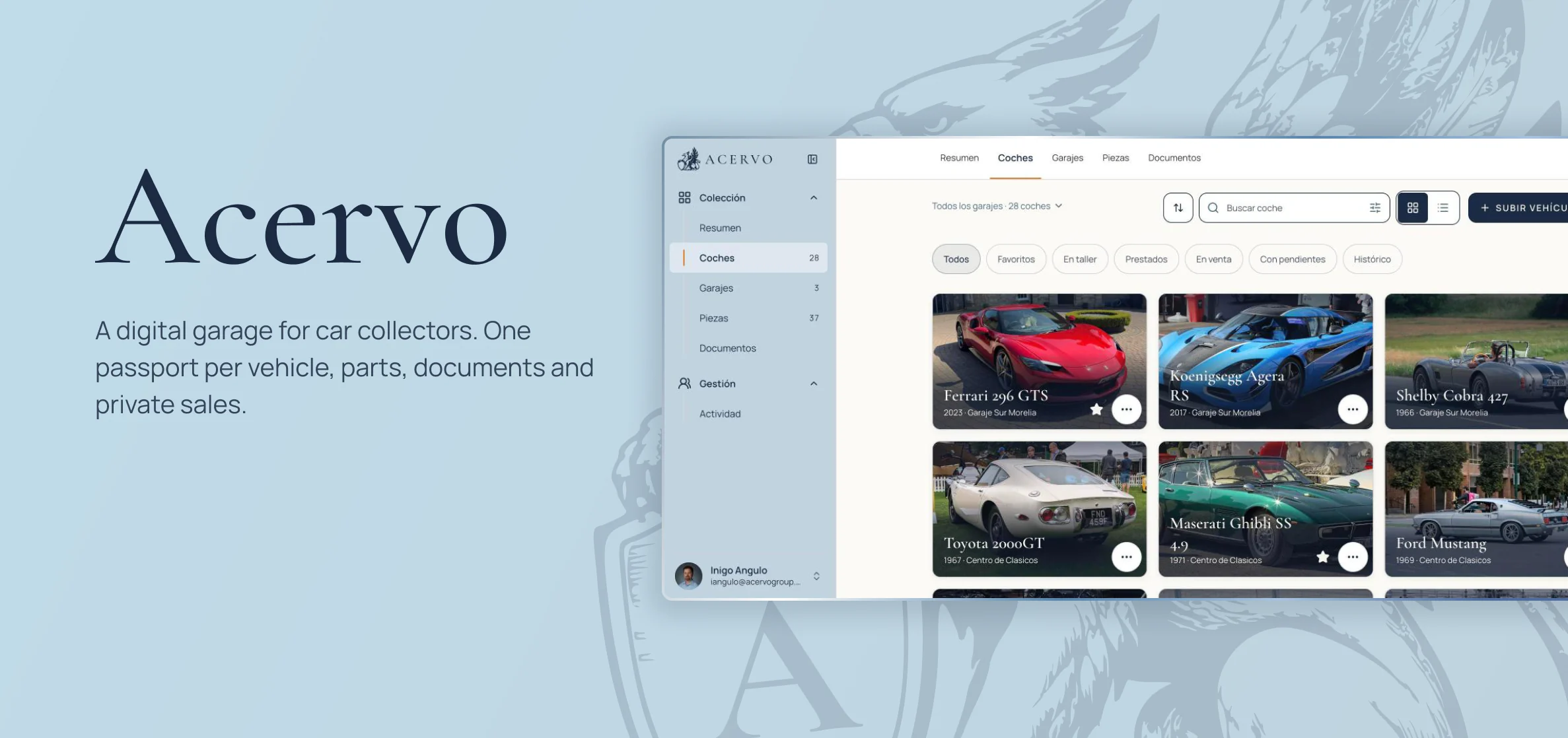
No. It is real code in a real repository, with tests and a release process, written mostly by AI agents under my direction and review. You own it and any engineer can continue it.
Isolation and gates. Agents never hold production credentials, every change passes automated checks and a review, and promotion to production is a human decision with a security report attached. The Acervo case documents the whole flow.
Scope, design, build, testing, security review, deployment and a documented handover. The first version is a sprint of two to six weeks; after that, either your team continues or I keep shipping for a period. Agent costs are a few hundred francs a month and I pass them through at cost.
That one person with a scoped product and the right gates can have a thin first version in production in under three weeks. It does not mean a finished product: the fifteen releases after it are where most of the product lives.
TypeScript, Next.js, Postgres (Supabase), Vercel for most products, because agents are strongest there and the ecosystem is boring in the good way. I adapt to yours when there is a reason.
Hybrid near Zurich, remote across Europe. A build needs one kickoff in the room and weekly demos; the rest does not.
Tell me the problem and who it is for. Thirty minutes, no deck; I will say whether it should be built, and how.
Build, lead and optimize are three dimensions of one product practice, with hands-on design in all of them. The case studies show the same person doing each.