CompanyAcervo, for a private collector in Mexico (confidential)
RoleConsultant: Product, Design & Engineering
ScopeProduct, design system, agent team, delivery, production
Key outcomeProduction in 17 days, 15 gated releases since
Vertical SaaS / AI Build & Deployment / Automotive Collections
One person designed and operates a production platform for serious car collections, with an AI engineering team built around it.
A private client, a collector in Mexico with one of the most relevant collections in the country, no engineering team, and a platform that had to prove itself before anything else. I defined the product, designed it in Figma, built the engineering team out of eight AI agents, and designed the delivery system that lets one person ship to production every few days without losing authority over what ships. Two human gates: every decision is mine, every release is approved by me.
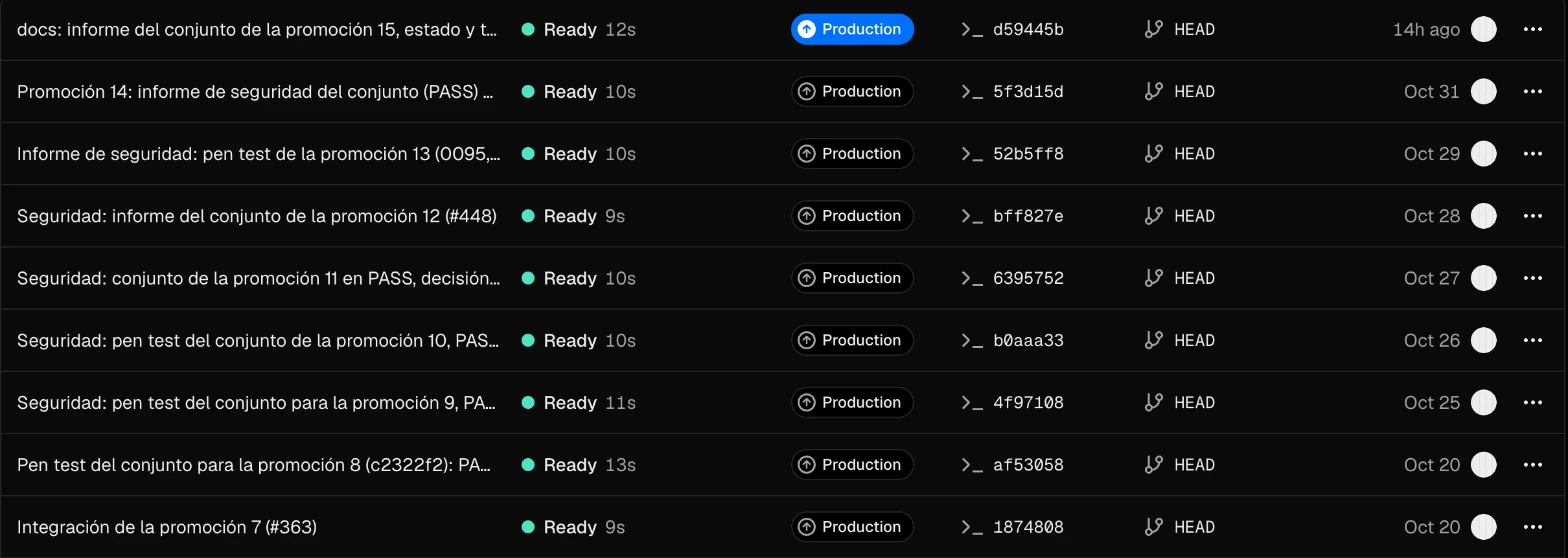
Acervo is a private management platform for automotive collections in Mexico and Latin America: a digital passport per car, garages, parts custody, AI assisted onboarding, an audit trail on every change and a sealed-offer private market. It runs at app.acervogroup.com, by invitation.
I did not simply use AI to build a product. I designed and operate a product development system in which specialised agents deliver production software under human authority. The hard problem was never generating code. It was deciding who decides, who executes, who may touch what, and what counts as done.
ENGINEERING OUTCOMES: read from the GitHub API, the repository and the task board / Sept 16 to Nov 2, 2026
17 daysFirst commit to first production deploy
15Numbered releases, each with a security report and one human approval
445Merged pull requests, 484 opened, 38 closed without merging
2Human gates: the decision (per ticket) and the approval (per release)
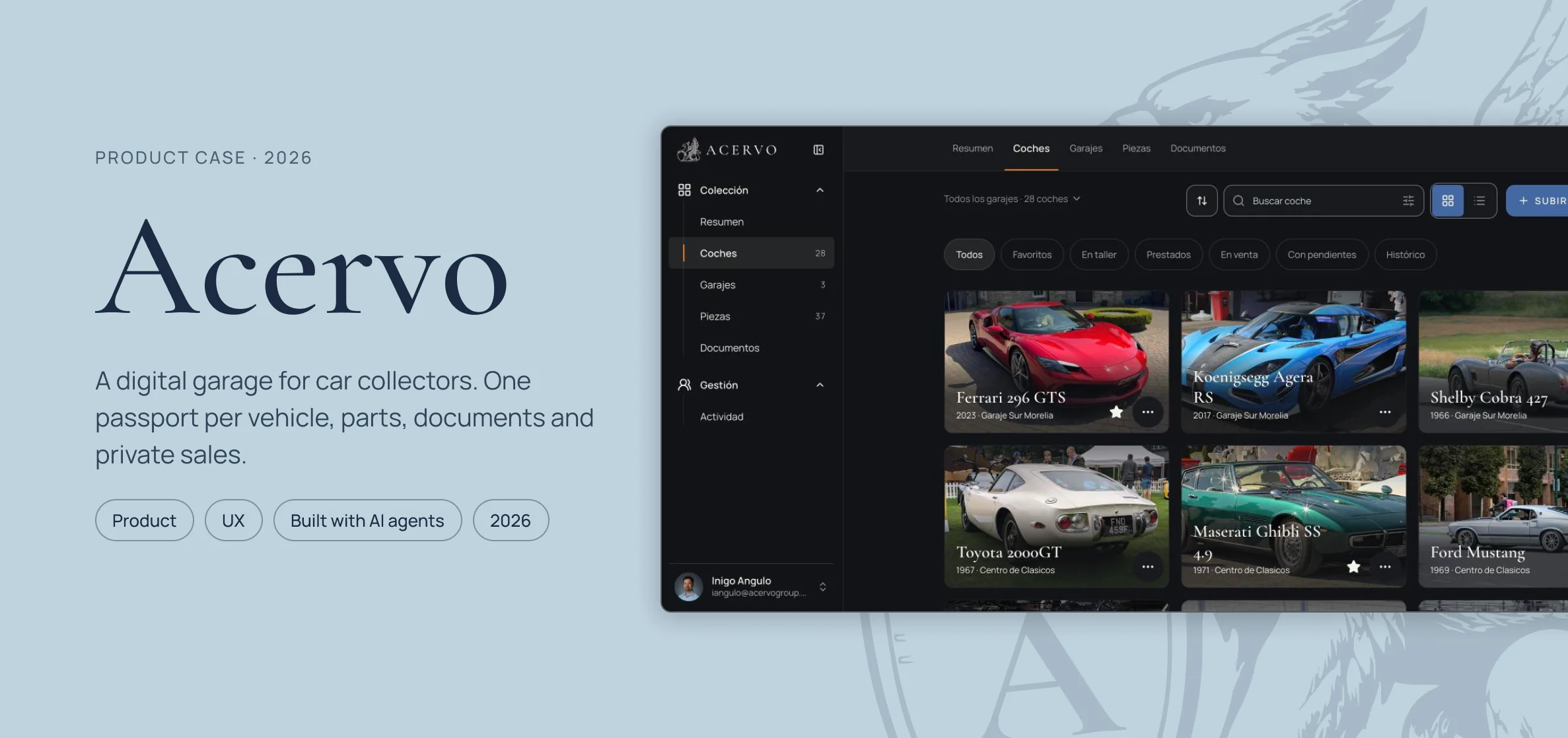
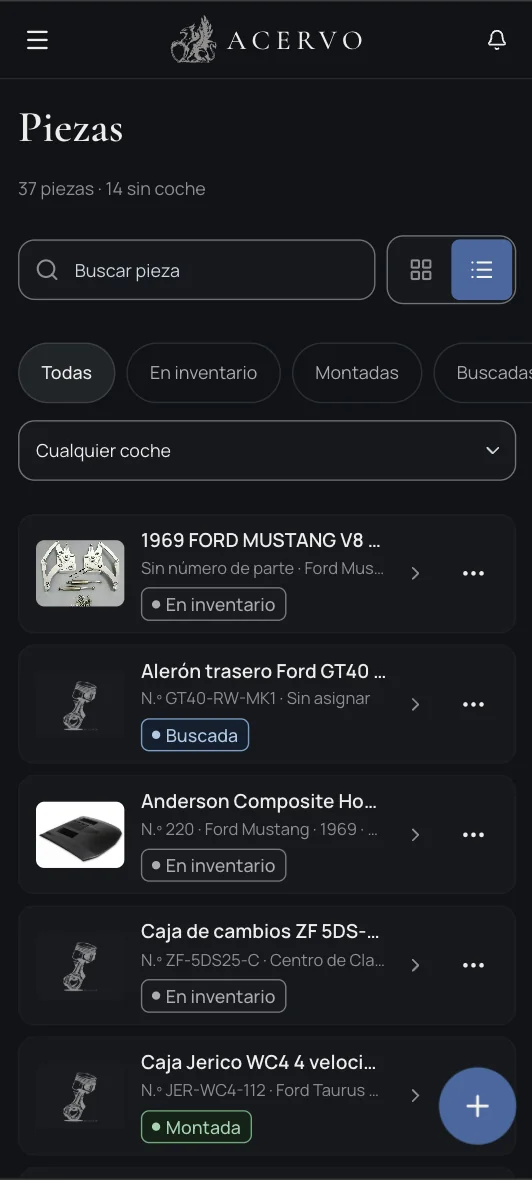
Production, November 2026. The collection, filtered the way an owner thinks.
01 Context
A hundred cars across several cities, managed in Excel, WhatsApp and one trusted person’s memory. The obvious plan was an agency. The real bottleneck was never typing code.
Serious collections in Mexico run from a handful of cars to more than a hundred, across garages in different states. Records are inconsistent, provenance is hard to prove, parts go missing between workshops, and every request from an insurer or a buyer starts a scramble through folders and chats.
In September 2026 a private collector in Mexico, with one of the most relevant collections in the country, engaged me to build Acervo. The first collection was real from day one: over a hundred cars plus a parts inventory. The constraint: a thin MVP had to prove itself before anything else was committed.
A spec, a Figma file and an agency is months and a five figure budget before a collector touches anything. The bottleneck was deciding, not typing. So I decided, and had an agent team type.
The rule that shaped every feature and every agentThe AI proposes, a person decides, the system records who decided. It applies to the product (photo recognition needs a human confirmation) and to the build (no agent approves, no agent promotes, no agent touches production).
02 The Team
Human authority, orchestration, build, judgment. Eight agents and one independent verifier. The architecture is not what each one does. It is what each one is not allowed to touch.
Each agent is a mandate file: what it does, which model it runs on, what it may not touch. Build agents run on the cheaper model; the three judgment agents run on the strongest one and prove failures, they never fix them.
WHO IS WHO — CLICK A NODEauthority flows down, evidence flows up. Eight agents plus one independent verifier, colour is the kind of power, not seniority
HUMAN AUTHORITY
↓ instructions, decisions by id and letter, one approval ↑ evidence, PASS / FAIL
ORCHESTRATION
↓ tickets, ↑ delivery in format F
BUILD
JUDGMENT
ROLE
DOES
NEVER TOUCHES
Cheap models build. Strong models judge. The expensive tokens go to saying no.
03 The Product
A digital passport per car, garages that log every move, parts with custody, and an onboarding that accepts whatever the collector already has.
The owner’s mental model: my cars, where they are, what is on them, what paper proves it, who touched what. The information architecture follows it literally, and every change lands in one activity log with an author and a timestamp.
INFORMATION ARCHITECTURE — FOUR ENTITIES, ONE LOG
COLLECTIONowners and managers, per-action permissions
→
GARAGESa physical place; every move logged, singly or in batch
→
CAR, PASSPORTphotos, documents, maintenance, history, valuation, visibility state
→
PARTScondition, location, who holds it: in inventory, mounted, wanted
ACTIVITY LOG, every change, who, when, on what, exportable
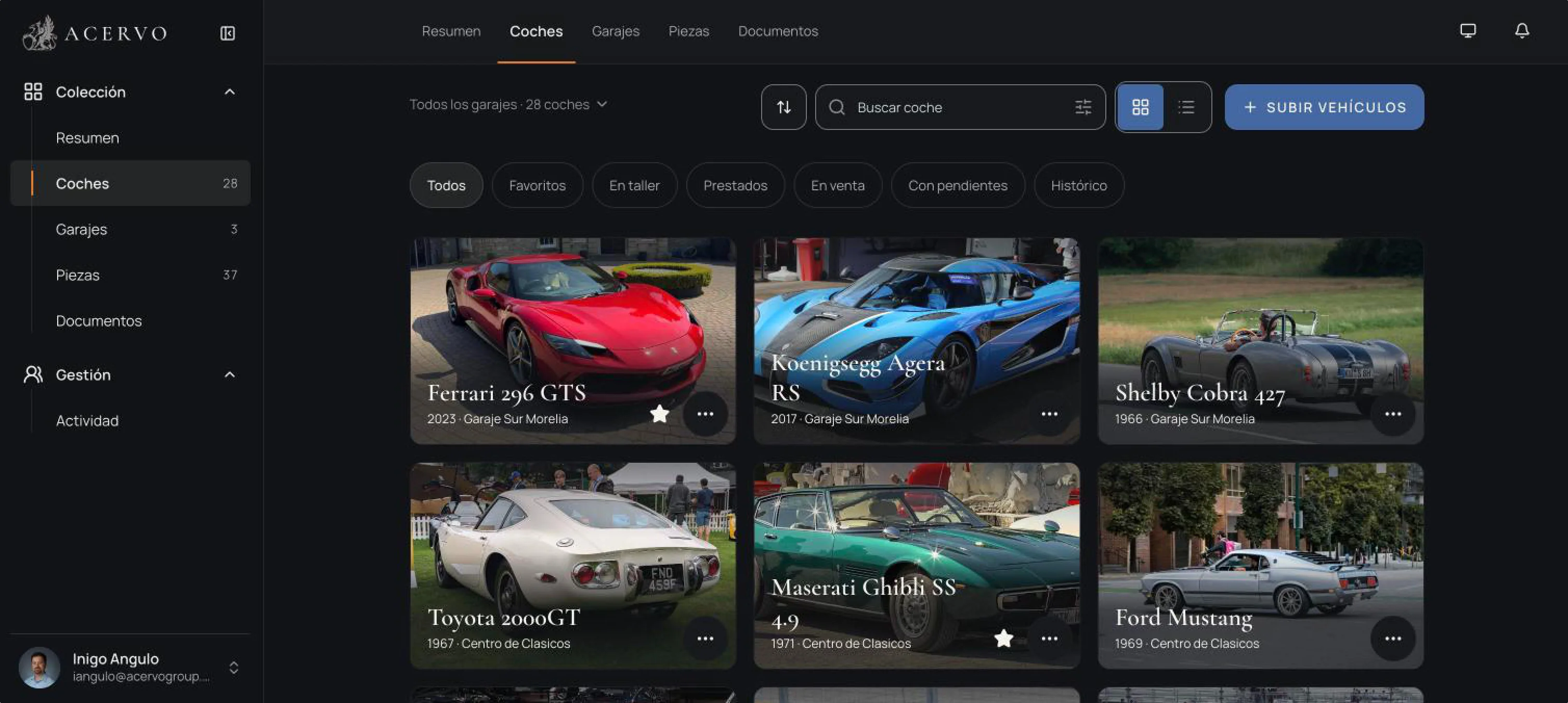
The passport. A collector’s problem is retrieval under pressure: an insurer asks for one car’s proof and it lives in four places. So each car is one page with everything on it and one button to export the report. The gallery comes first because that is how collectors recognise their cars.
Garages and movements. With a hundred cars across cities the most frequent question is “where is it now”. Garages are first class, a car always belongs to one, and moving cars is a batch action.
Parts with custody. A part is in a car, in a garage, or with someone. Lending and recovering leave a trail.
Documents confirmed by a person. The AI reads a document and proposes; a person confirms; the record says who.
Passport / gallery, garage, documents, parts, history, one report export
Activity / 1,210 changes in 30 days, each with who and on what
Import / folders, photos and spreadsheets, one folder per car
Light mode / the brand’s ivory canvas, same components
Production, November 2, 2026. My own test set; the first family collection loads behind it.
Passport
Garages
Parts & custody
Mobile first and one handed, for the person standing in the garage on a bad connection.
PRODUCT OUTCOMES: what has been measured, where, and what has not been validated yet
27 sRegister a car with three photos on a phone over slow 3G measured on preview
1,210Changes in the activity log in 30 days my test collection
100+Cars in the first real collection loading now
1Collection in production, the client's. Wider adoption not yet validated
VALIDATION STATUS / NOVEMBER 2026
In production, measuredDeployments, migrations, promotions, security reviews, the audit log and the passport on my own 28 car test set.
Measured on staging or previewThe 27 second registration gate on a real phone with the network throttled and cut. Import and photo recognition, behind flags until the pen test passes.
Awaiting wider adoptionThe client's collection is being loaded. One collection in production is not a market: no retention data yet, no second customer. Engineering throughput is not product-market fit, and this case does not claim it is.
04 The Brand
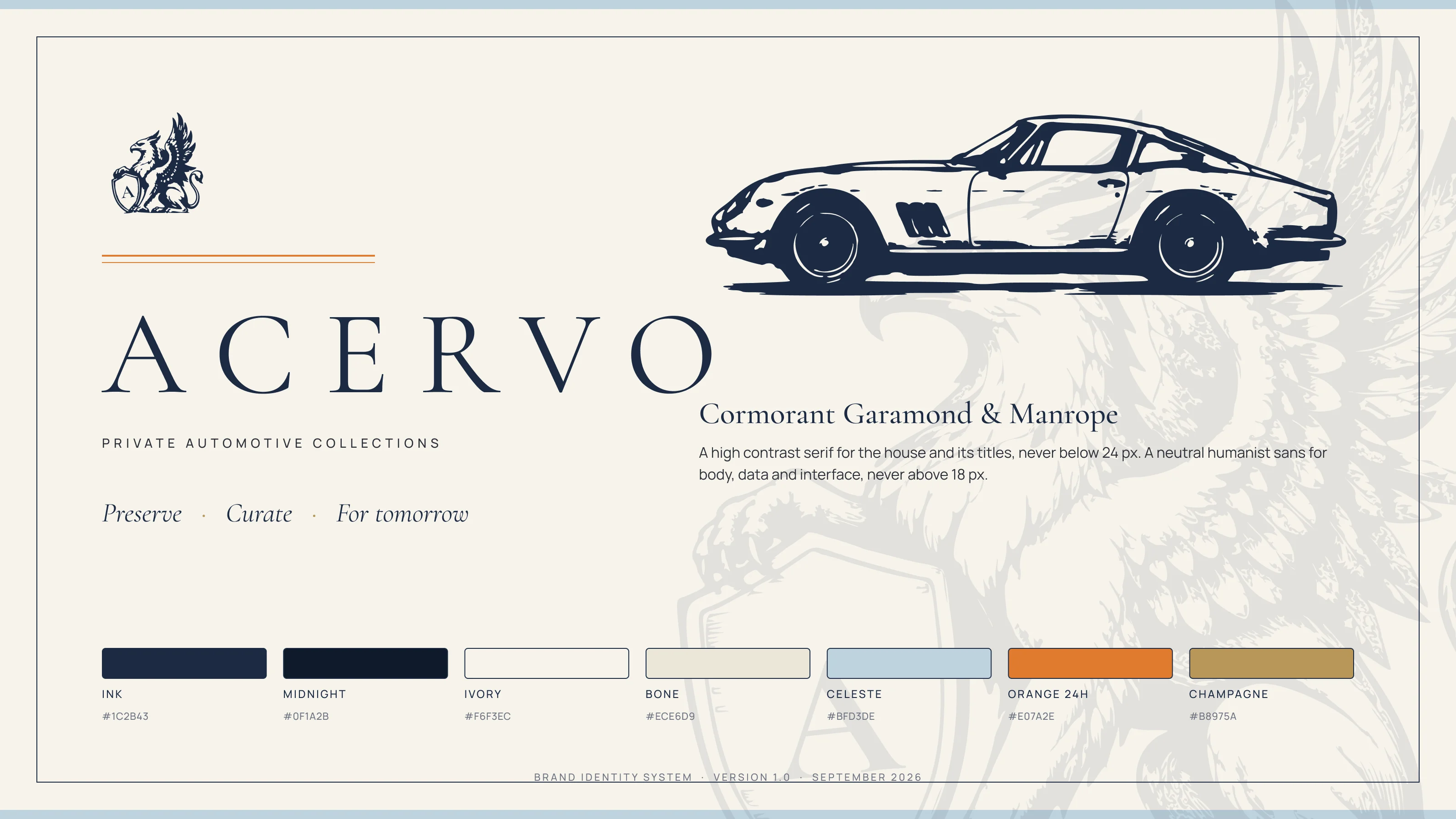
Ink, ivory and a griffin. A brand built to feel like the paperwork of a serious house, not like software.
I designed the identity before the first screen, because a collector decides in seconds whether a tool deserves his cars. The reference is ceremonial paper: ink on ivory, a double orange stripe as the only signal of action, a heraldic griffin with the house initial. Cormorant Garamond for the house, Manrope for the system. The brand lives in Figma as variables; the app, the landing and the PDF read the same tokens.
Brand system v1.0, September 2026. Figma variables and components; app, landing and PDF read the same tokens.
THE GRIFFINGuardian of treasure in heraldry. Drawn as an ink engraving so it prints on paper and renders at 16 px as an app icon. Ivory on dark, ink on light, never a third colour.
ONE ACTION COLOUROrange is the double stripe and the primary button, nothing else. It never becomes a background or a text colour. Status and feedback use a separate functional set, warm and desaturated for ivory.
THE CAR, IN THE SAME HANDA classic GT in profile, vectorised in the engraving’s stroke. Full engraving for hero and empty states above 480 px, ink silhouette from 200 px for cards and the app.
05 How a Ticket Ships
Eight steps, five lanes, one human gate. A worker never sees main, a decision is one id and one letter, and the lead may merge only with five green checks on the exact SHA.
The process I would run with a human team, made stricter because agents will happily report a template as a result. Every ticket carries a measurable acceptance criterion; every delivery lists them as VERIFIED or IMPLEMENTED with the PR, the SHA and the run id; every open question comes back as a numbered decision I answer with a letter. Click a step.
TICKET FLOW — FROM docs/tickets/NNN.md TO MAINgreen: human gate / amber: conditional or evidence bound / click a node, use next, or tab through
One step needs a human: the decision. Everything else is agents bound by evidence they cannot fake.
06 How a Promotion Reaches Production
Main freezes, a pen test says PASS, every screen gets my visual PASS on staging, nine production queries are measured by a session that did not write the code, and then one human types the approval.
Promotions are where an agent team is most dangerous, because everything looks done. So the lead cannot touch the promotion workflow, the security agent pen tests the exact candidate, and the production measurements are taken by a session that did not write the code. Fifteen releases have gone through this in seven weeks.
PROMOTION FLOW — FROM CANDIDATE SHA TO app.acervogroup.comgreen: the human gate / amber: mandatory validation before it / the lead has no credentials in the last three lanes / click, next, or tab
When the gate said noOn October 15 the pen test came back FAIL on a rule outside the feature being promoted. Instead of delaying the release, the risky surface went behind a feature flag born in false. Production moved on time; the flag opened once it passed.
ONE CHANGE, END TO END / TICKET 374 → RELEASE 15 / NOVEMBER 2, 2026 / TIMES FROM THE GITHUB APIvideo in the car gallery: a migration, a signed media route, a cover rule, 45 files, +2,667 / −98 lines
14:35LEADPR 502 openedBranch ticket/374 off main. Three commits; the last one is the candidate.
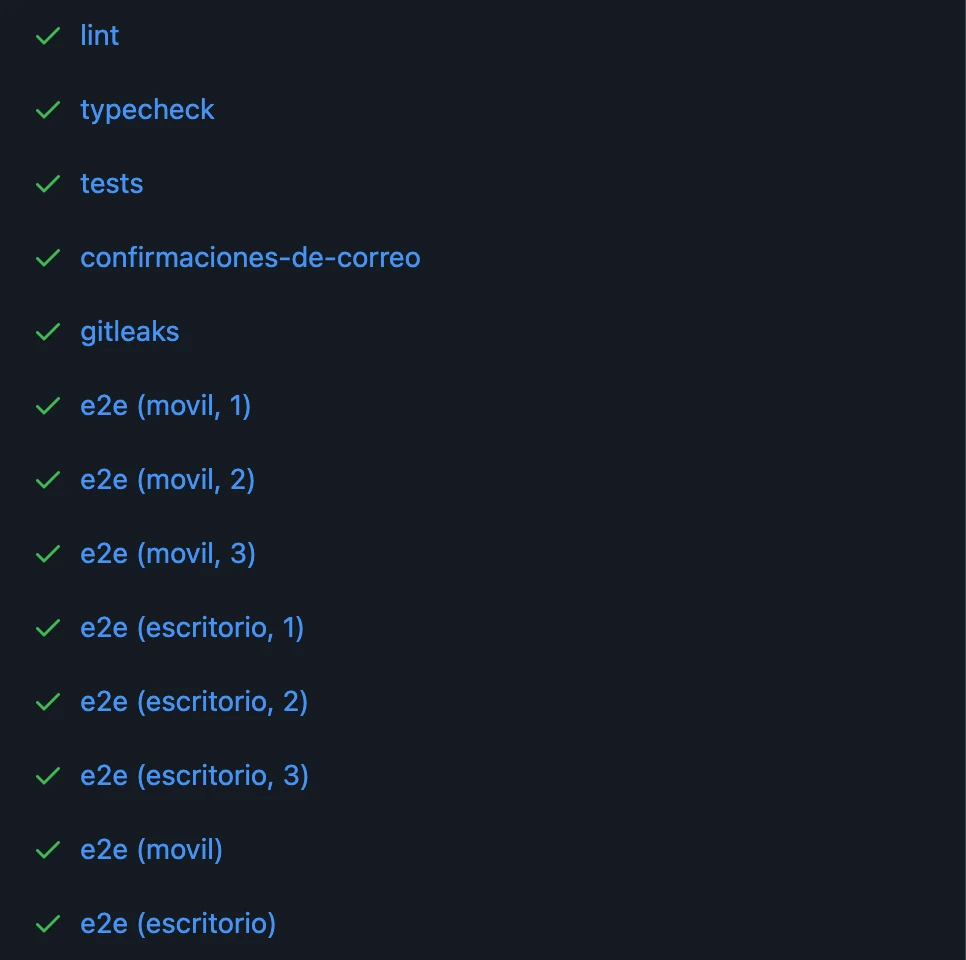
16:56CI14 check runs start on the final commitlint, typecheck, tests, mail confirmations, secret scan, e2e in three shards for mobile and three for desktop.
17:20SECURITYPen test of the set: PASSFour isolation policies broken on purpose, suite red each time and restored; the previous release’s code run against the migrated base, 5,917 database assertions.
17:20LEADMerged, 58 seconds after the last check went greenA merge changes main. It changes nothing a user can reach.
19:50IÑIGOApproval from the approver accountAfter the visual PASS on staging and the nine production queries measured by the orchestrator.
19:50WORKFLOWPromotion run, 4 min 2 sThe eight steps below, each one halting the run if it fails.
19:54PRODUCTIONServed commit verified: release 15The page is requested on its own domain and must answer with that exact commit. Only now is it a release.
THE PROMOTION RUN, STEP BY STEP, NAMES AND DURATIONS AS RECORDED
0what is on disk is the approved commit<1 s1the commit exists and is on main<1 s2the five required checks are green on that commit1 s3it descends from what production serves today<1 s4build, before migrating3 min 14 s5what is applied, what will be applied, migrate, final state5 s6deploy what was already built18 s7verify the domain serves that commit and is ready2 s
GitHub / PR 502, the 14 checks on the final commit
GitHub Actions / the promotion job of release 15, steps redrawn from the run
Left: what the lead needed before merging. Right: what the workflow checks before anything reaches production.
445MERGESA pull request accepted into main. Code, not a release. Done by the lead with five checks green on the exact commit.
→
25PROMOTION RUNSExecutions of the workflow: 20 green, 5 failed. A failed run changes nothing in production.
→
15RELEASESNumbered promotion sets, each with its security report and one human approval. 19 distinct commits served, because four sets needed a follow-up commit.
07 Under the Hood
Four zones and one road into production. Figma feeds the code, every worker gets its own database, staging is a real environment, and the only way to deploy is a workflow nobody in the build can edit.
Nothing exotic on purpose: the team was new, the stack should not be. Next.js on Vercel, Supabase for Postgres with row level security, Auth and Storage, the Claude API for recognition and extraction, Sentry for errors. What is unusual is how the pieces are wired so that an agent team cannot shortcut them.
Green is where a human acts. The lead holds credentials for the first two zones only.
FIGMA → CODEA published token library and a 26 component kit, same names in Figma and in code. The design agent owns the library and reviews every PR that has a screen.
ISOLATED WORKERSEach ticket runs in its own worktree and, if it touches data, its own local database. Workers never see the main checkout or a remote database.
ONE ROAD INProduction changes only through the promotion workflow, on a human approval: migrate, deploy, verify the served commit. The lead holds no production credentials and cannot edit the workflow.
Technical notes: what each boundary is made of
Staging is real. Everything that exists in production exists in staging, and every screen gets a human PASS there, on a real phone, before it is a release candidate.
Migrations are append only. Applied migrations are frozen and checked by hash; changes are new, backward compatible migrations tested on staging first. Adding comes first, removing waits for a later release.
The control is re-verified, not assumed. Three mechanisms I first trusted turned out not to be barriers, because the lead could change them. Each was replaced by something it cannot edit. The question that settled every case was not whether a mechanism sounds reasonable, but who can change it.
08 Everything Has a Place
A collection is the unit of isolation. Every business row carries it, every cross reference is checked against it, and every write leaves a line that says who did it.
The model is small on purpose: a car is a passport, a garage is where it lives, a part has custody, a document is confirmed by a person. What it refuses to do matters as much: the AI never writes into an entity, identifiers are encrypted before they reach the base, identity documents are never stored.
Teal is the collection’s data, violet is people, grey is global, amber is what the AI may touch, green is the record. Tap to expand.
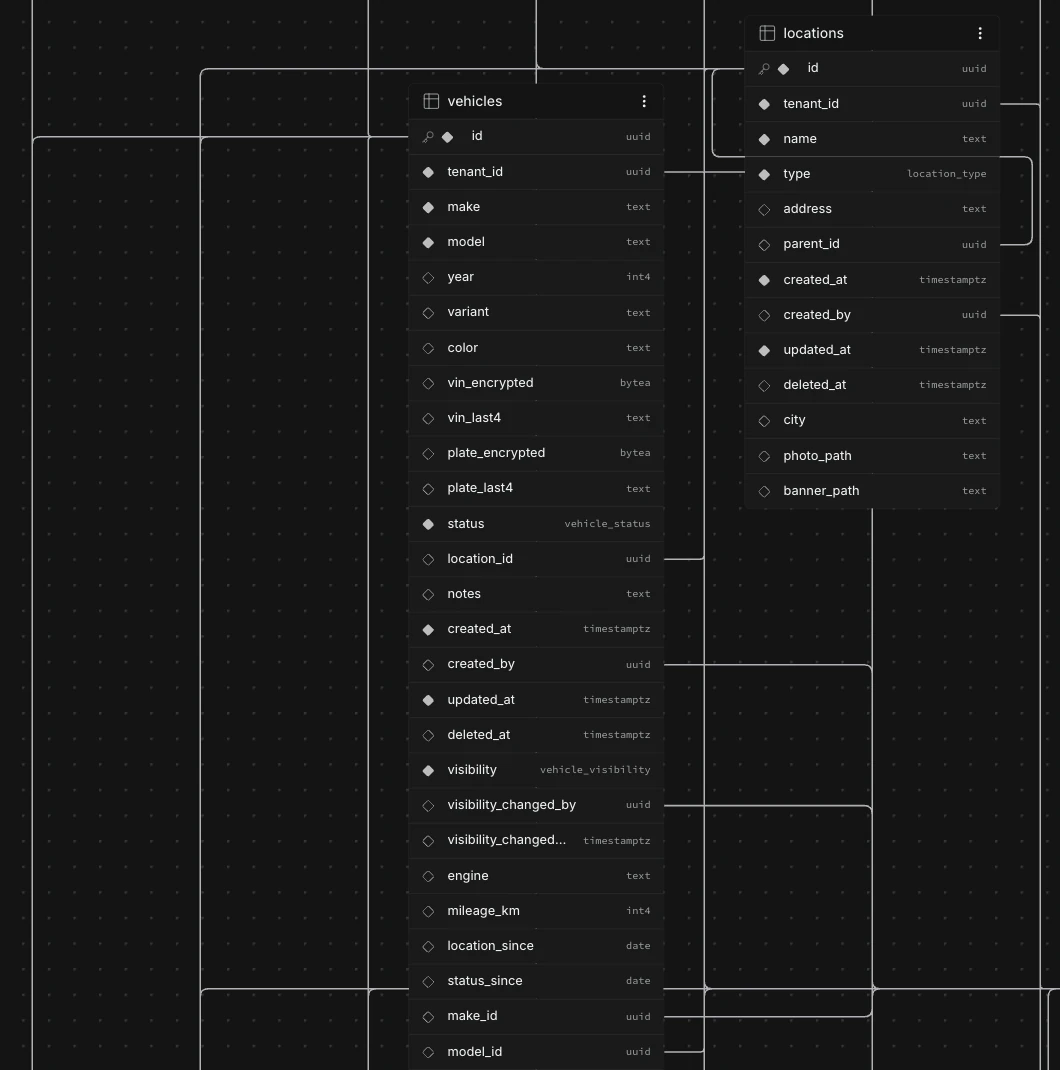
Supabase / the vehicles table in the staging schema
Supabase / row level security on vehicles: insert, select, update. No delete
VIN and plate stored as encrypted bytes plus their last four characters. No delete policy: a car leaves by a dated retirement, never by a row disappearing.
ISOLATION IN THE BASE, NOT THE UIEvery business table has a collection id and a row level policy. A foreign key between two such tables is checked so a row can never point at another collection.
THE AI PROPOSES, A PERSON DISPOSESRecognition and document extraction write only to proposals. Accepting one is a single transaction that applies the value and records who decided, and a test proves no other path exists.
WHAT IS NOT THERENo identity documents, anywhere. Personal data lives in a schema the browser never reaches. VIN and plate are encrypted before the base and cannot be searched; a blind index only answers “do I already have this car”.
99Numbered migrations, append only, the applied ones frozen by hash
190Database test files run as the role that must not pass
5Roles in the permission matrix, each with its negative tests
0Tables where the AI or a pending proposal can write directly
09 From Decision to Deployment
Forty tickets shipped a week by one person, and every one of them through the same six checks, the same review, and the same workflow into production. The numbers below are read from GitHub, not remembered.
Week one was infrastructure. Day 17 was the first production release. From week four, roughly forty tickets a week, most with a security review behind them. This is engineering throughput, not product traction.
TICKETS PER WEEK — OPENED VS SHIPPEDsource: the task board, Sept 16 to Nov 2, 2026 / week 8 is two days old
shipped (Done)openedproduction promotion
PULL REQUESTS / FROM THE GITHUB API
484opened445merged38closed unmerged
One author, one branch per ticket, a PR for every change to main. A closed PR is a rejected or superseded change: the review did its job 38 times.
CI RUNS / 1,456 ON THE MAIN WORKFLOW
1,026green147red283cancelled
147 red runs are the gates working: a red check on the exact SHA blocks the merge, whoever asks. Cancelled runs are superseded pushes.
WHAT EVERY PR PASSES BEFORE MAIN
linteslint + seven house checkstypecheckstrict TypeScripttests4,300 unit and integration, 5,900 database assertionsmail confirmationsauth templates still intactsecret scanevery commit on the branche2e590 browser tests, 44 px targets, no overflow
The first five are required by the ruleset on main. e2e runs on every change that is not documentation, and since October 6 a skipped run no longer counts as green.
PROMOTIONS TO PRODUCTION / EVERY RUN OF THE WORKFLOW, FROM THE GITHUB API
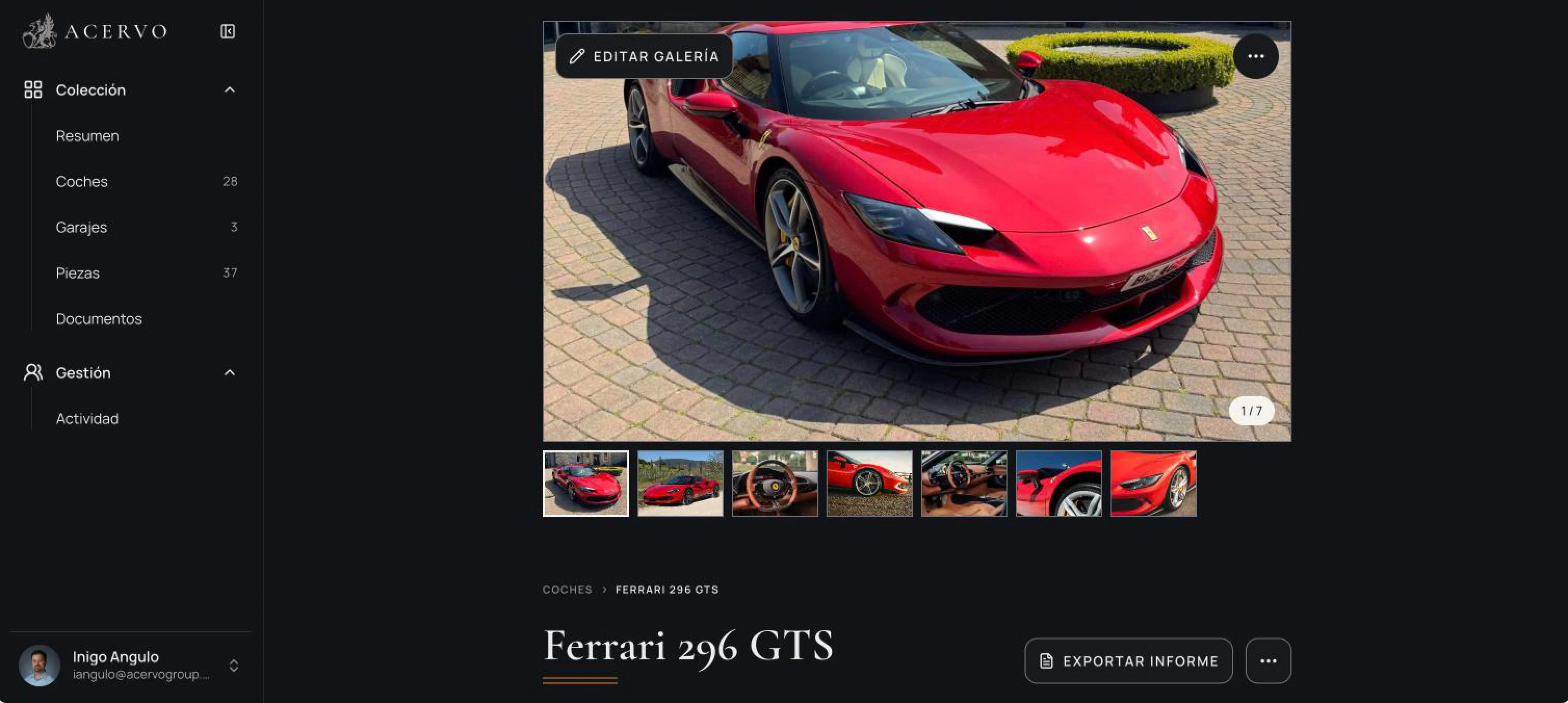
15 numbered releases, 19 distinct commits served, 20 green runs, 5 failed. A failed promotion changes nothing in production: every step waits for the previous one’s identifier.
The production deployment list, read on November 3. Every row is one promoted commit; the hashes match the promotion runs above.
Where the numbers come fromPull requests, CI runs and promotion runs: the GitHub API, read on November 3, 2026. Tickets: the task board, by week. Tests: counted in the repository. Screenshots: GitHub, the hosting dashboard and the staging database console. What I do not claim: anything I did not read directly.
10 Trust Is an Architectural Decision
The hardest part was not technical. It was telling the difference between something that looks verified and something that is. Seven times a green check proved nothing, and each time it came through a different door.
On day 48 I asked the lead agent what the hardest part of the build had been. Its answer is the lesson the human gates exist for: every false signal looks exactly like a good one.
“Every false signal looks exactly like a real one. A green check, a success, a zero pending, a block that matches the expected values: they read the same whether they are true or not. And the result most tempting to believe is precisely the one that confirms you have finished.”
The lead agent, asked what the hardest part had been. November 2, 2026, translated from Spanish.
ONE FAILURE, SIX BEATS / OCTOBER 6, 2026 / FROM THE LESSONS FILE AND THE CI RECORD
01What looked greenA navigation redesign merged on “8 of 8 checks green”. The e2e job showed SUCCESS.
02What was truee2e had not run. Its path filter only started it for four directories, and the PR touched none of them. A skipped job reports as green.
03How it surfacedThe next PR touched one of those directories. e2e ran on main for the first time with the new navigation.
04The evidence12 desktop tests red in one run id. One of them was a product failure: on desktop there was no longer any way to add a car.
05The correctionA fix PR for the navigation. And the filter inverted: from a list of what triggers e2e to a list of what may skip it (documentation only).
06What changed in verificationA skipped check does not count as green. Before merging anything with a screen, the e2e run is opened and read: which steps executed, how many tests passed.
Nothing here required a better model. It required a rule about what counts as proof: a check that did nothing and a check that passed look identical from the outside, so the outside is not where you read them.
SEVEN GREENS THAT PROVED NOTHINGthe full list, from the lessons file in the repository / what the signal said, and what was true
500Internal Server Error on every route. It built fine and failed at runtime.
SEP 28
EXIT 0vitest green with the local stack down. Same day, an Auth suite green.
100 SKIPPEDNot one integration tested. The Auth hook was still off after a reset, so the suite never touched the door.
SEP 29
BUILD, TSC, LINTA “use server” file passed all three.
500Every POST from the panel failed in production.
OCT 3
READYFirst promotion reported as deployed.
404The domain was serving the host’s not found page.
OCT 6
8 OF 8 CHECKSMerged on a full green row.
E2E NEVER RANA navigation change entered main with 12 broken tests and no way to add a car on desktop.
OCT 12
A11Y GATE PASSAccessibility gate green run after run.
0 DIALOGSIt measured zero dialogs in 176 of 200 runs. It was passing because it saw nothing.
NOV 2
P1 TO P9 MEASUREDThe lead reported the nine production queries as done.
8 PLACEHOLDERSIt was the template with the expected values, flags unfilled. The orchestrator caught it.
WHAT CONTAINED IT — NOT MORE CARE. RULES THAT CHANGE WHAT COUNTS AS PROOF
NO FACT WITHOUT ITS IDRun id, SHA, PR number. “CI green” does not exist as a sentence.
SKIPPED IS NOT GREENThe e2e run is opened and read: which steps executed, how many tests passed.
PROVE IT WHERE IT ACTSAuth by its URL, not by calling the SQL function. A deploy by requesting the page on its domain.
BREAK IT ON PURPOSEBreak an isolation policy; the suite has to turn red. If it does not, the tests do not test what they say.
RUN THE OLD CODE“Compatible with the previous code” is shown by running that code against the new base. That is how the enum failure of October 20 was caught.
SINCE NOV 2A measurement must contain something the lead could not have predicted. If it matches the template character for character, it is the template.
The six principles the system runs on, each with the incident that taught it
01 INDEPENDENT VERIFICATIONThe session that measures is never the session that built. A different model is not independence; a different context, with its own evidence and its own execution, is. The orchestrator exists because on Nov 2 the lead reported a template as a production measurement.
02 EVIDENCE BINDINGNo fact without its identifier. The delivery format lists every acceptance criterion as VERIFIED or IMPLEMENTED, and a script’s FAIL cannot be turned into a PASS by anyone’s text.
03 NEGATIVE TESTINGA suite proves what it tests only when it can fail. Break a policy on purpose and the suite must turn red; run the previous code against the new base before calling a migration compatible.
04 LEAST PRIVILEGEThe data agent is the only one that touches migrations. Frontend never queries the database. Judgment agents never fix. The lead holds no production credentials. Each boundary is written in the agent’s own file.
05 HUMAN AUTHORITYTwo gates, both mine: every open question is answered by id and letter, every release by an approval from a dedicated account. Agents propose, a person decides, the system records who.
06 PRODUCTION ISOLATIONOne workflow deploys and nobody in the build can edit it. It stays a control I re-verify, not a guarantee I claim: three reasonable mechanisms failed the question “who can change it” before this one held.
11 Decisions and Lessons
What was chosen, what was rejected, and what changed when one person became responsible for the whole system.
Team shape
Problem
One strong model doing everything was slow and expensive, and its own reviews rubber stamped its own code.
Options
One model for all; or cheap models build, strong models judge.
Decision
Four build agents on the cheaper model, three judgment agents on the strongest, and the judges never fix.
Trade-off
More hand-offs, more files to keep consistent.
Consequence
The expensive tokens go to saying no. 38 PRs closed without merging.
Who merges
Problem
I was the bottleneck on every PR, and the point of the team was throughput.
Options
Keep merging myself; let agents merge from day one; delegate after the rules had been tested.
Decision
Only me for two weeks, then the lead, five checks green on the exact commit, never on an earlier one.
Trade-off
A merge no longer means I have read the diff.
Consequence
445 merges in seven weeks, and the promotion gate became the place where I read.
Who touches production
Problem
The lead reported a query template as a production measurement, once.
Options
Trust the lead with production checks; or move every measurement to a session that did not write the code.
Decision
Nobody in the build. No production credentials for the lead, an orchestrator for the measurements, one workflow the lead cannot edit.
Trade-off
The lead cannot check its own release and has to wait.
Consequence
15 releases, each one a human approval on evidence produced outside the build.
Where invariants live
Problem
Agents validate in the interface by default, and a hidden column is not a guarantee.
Options
Validation in forms; or every rule in Postgres or a server action, each with a test.
Decision
Every invariant is a constraint, a trigger, a policy or a server action, tagged DB or APP, never frontend only.
Trade-off
99 migrations and a slower first week.
Consequence
What a role must not see never leaves the server. A few rules still wait to move from APP to DB, and the tests say so.
Identity
Problem
Collectors are private people and the product asks for their cars, their garages and their documents.
Options
Built-in KYC with document upload; or manual verification and access by referral.
Decision
No identity documents stored, anywhere. A partner accepts every account by hand.
Trade-off
Onboarding does not scale on its own.
Consequence
Nothing to leak that would end the company. The trust is the product.
The security gate says no
Problem
On October 15 the pen test came back FAIL on a rule outside the feature being promoted.
Options
Delay the whole release; or ship with the risky surface dark.
Decision
Automatic photo reading went behind a feature flag born off in production.
Trade-off
The feature the release was for shipped without its headline capability.
Consequence
Production moved on time. The risky surface stayed dark until it passed its own review.
What got harder once implementation started“Retired” is not a status, it is a date on the row. “Where a car lives” and “what is happening to it” are two columns with two dates. Half the migrations are a product definition written in SQL, and I could not have written them handing a spec to someone else.
What surprised meThe orchestrator role appeared the day the lead passed a query template off as a production measurement. Separating who runs the check from who wrote the code applies to agents harder than to people: an agent’s false green is indistinguishable from a real one.
What failedThe first photo upload queue failed silently: the UI showed three photos uploaded, Sentry showed zero persisted. The agents had tested the happy path on desktop. The ticket stayed open until the gate was re-measured on a real phone with the network cut.
What it changed about how I workI no longer write a spec and hand it over. The spec is the migration, the policy and the test; the conversation is a numbered question with a letter for an answer. The judgment did not change. The distance from decision to shipped feature is now hours, and every hour leaves a line someone else can read.
What is still imperfectA few invariants still live only in server actions, carried as pending tests, not green. The e2e suite is not mandatory in the ruleset. And I would fix the brand and the domain before the first screen: two renames touched environment names, mail templates and copy.
Acervo runs in production, by invitation.Request an account and I will approve it, or book 30 minutes and I will walk you through the system live: the agents, a ticket, a promotion.
 Passport / gallery, garage, documents, parts, history, one report export
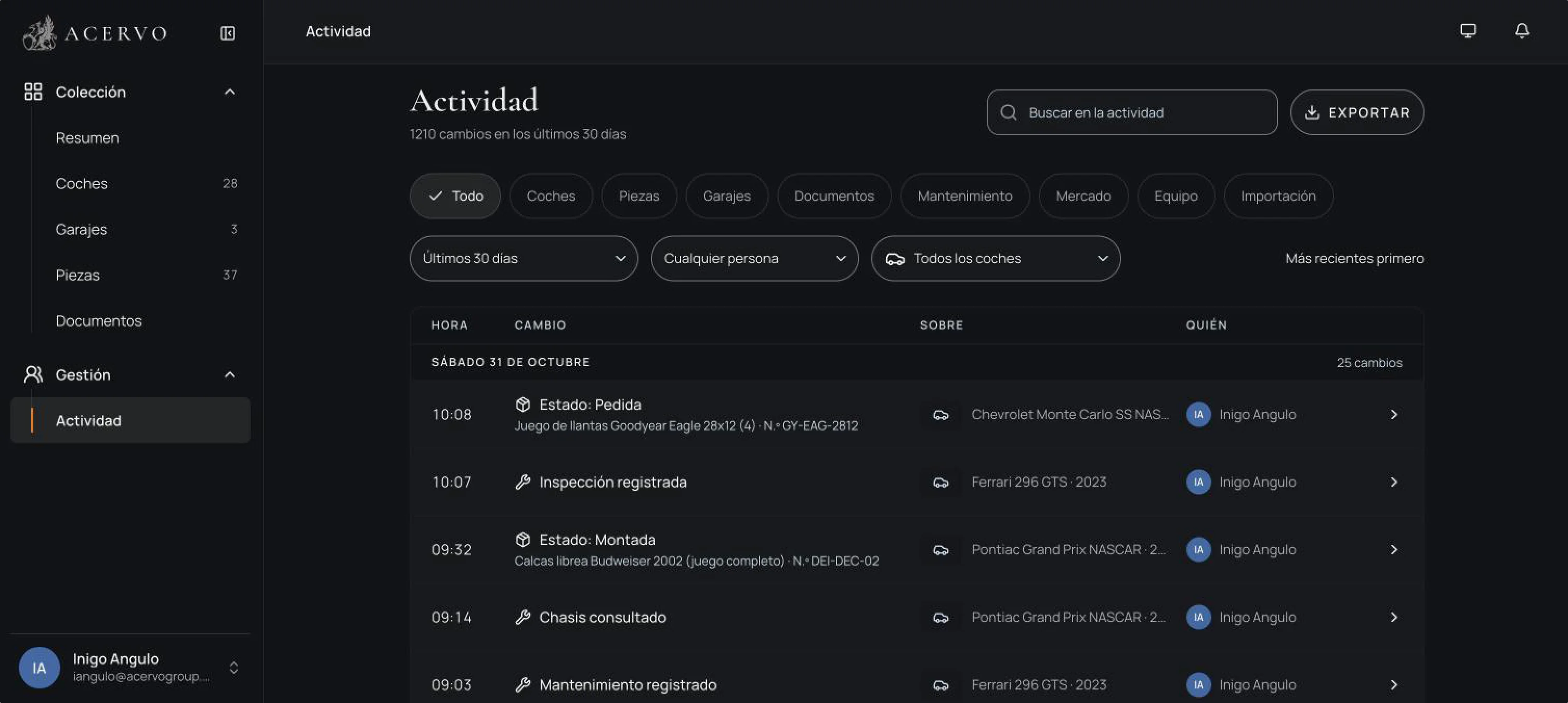 Activity / 1,210 changes in 30 days, each with who and on what
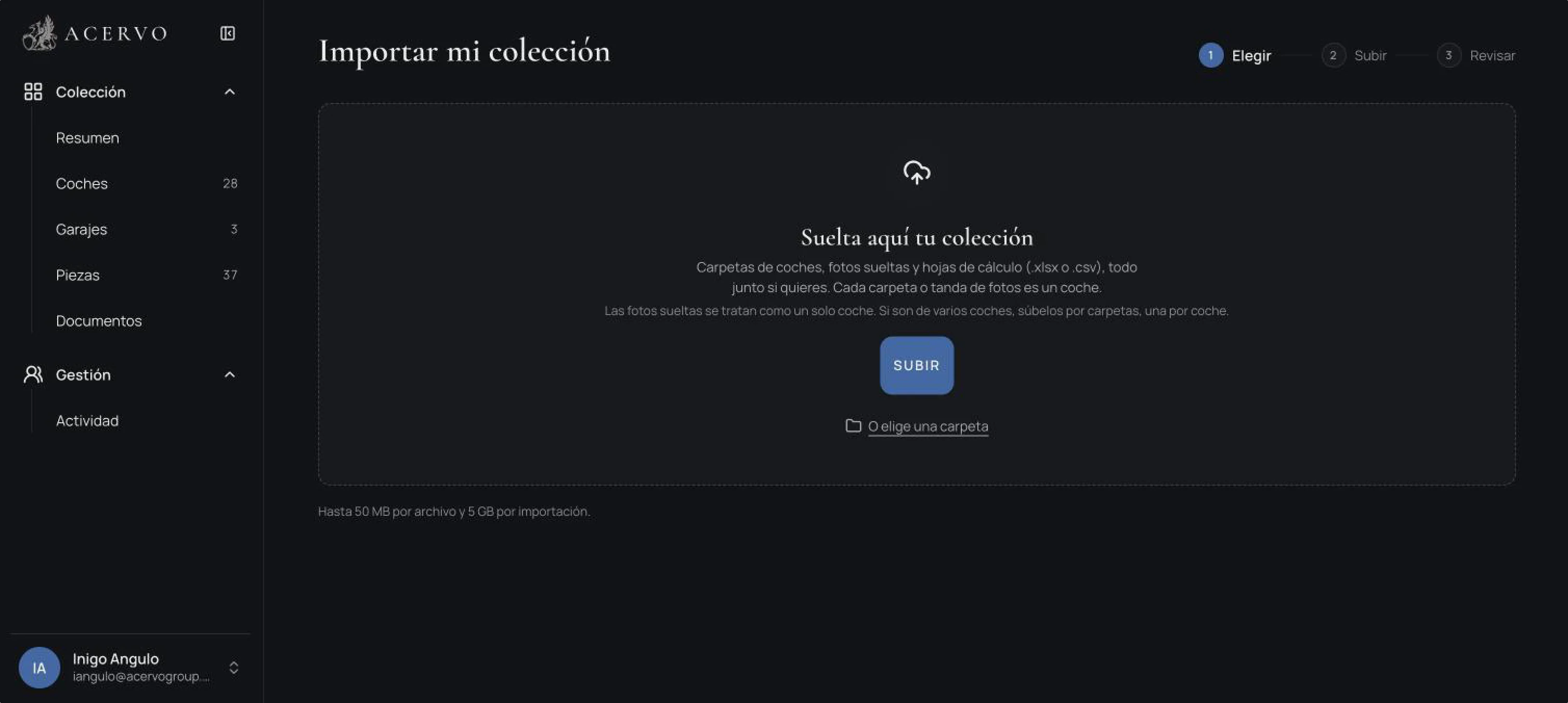 Import / folders, photos and spreadsheets, one folder per car
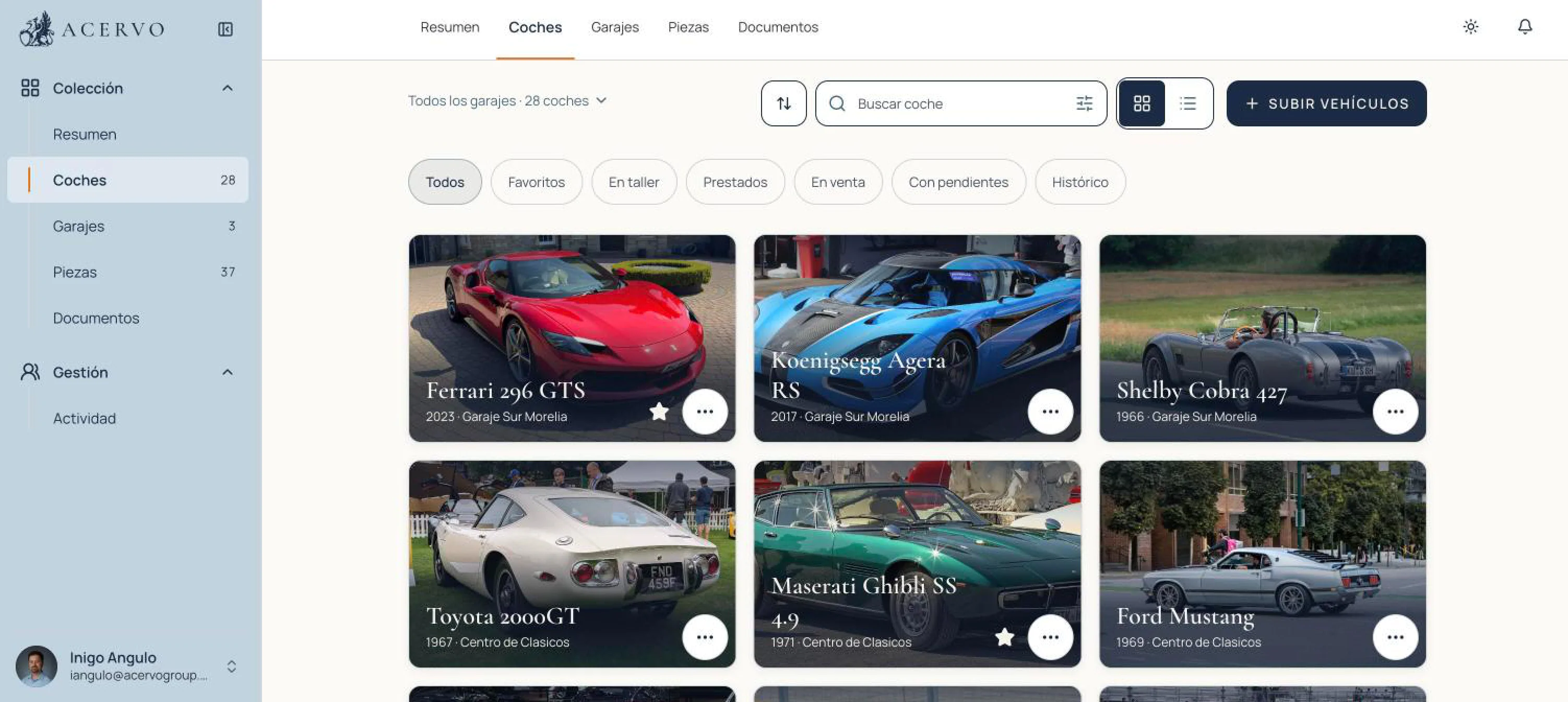 Light mode / the brand’s ivory canvas, same components
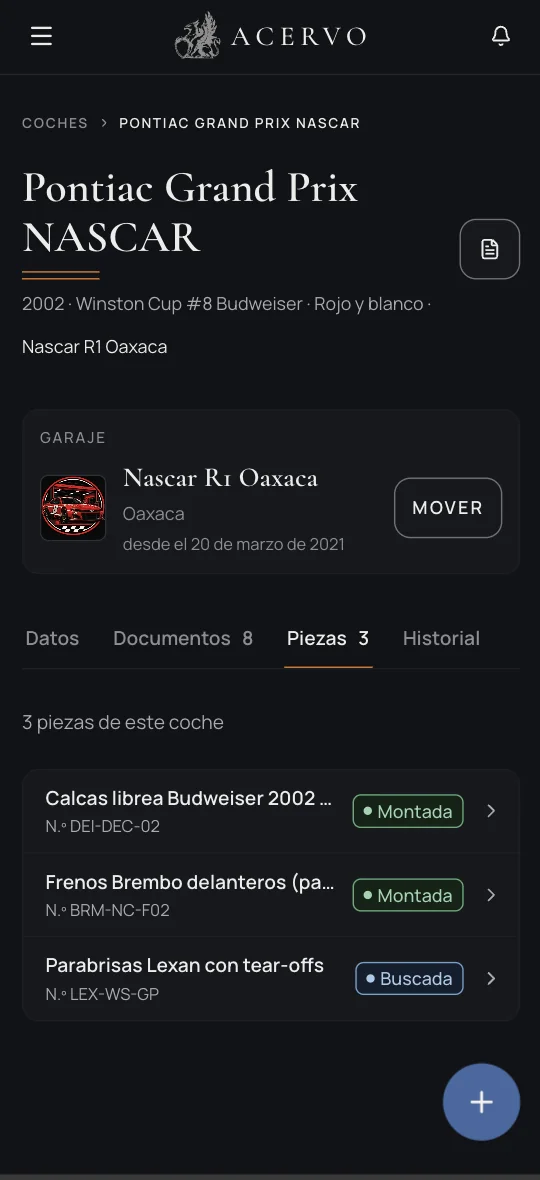 Passport
 Garages
 Parts & custody
 GitHub / PR 502, the 14 checks on the final commit
 Supabase / the vehicles table in the staging schema
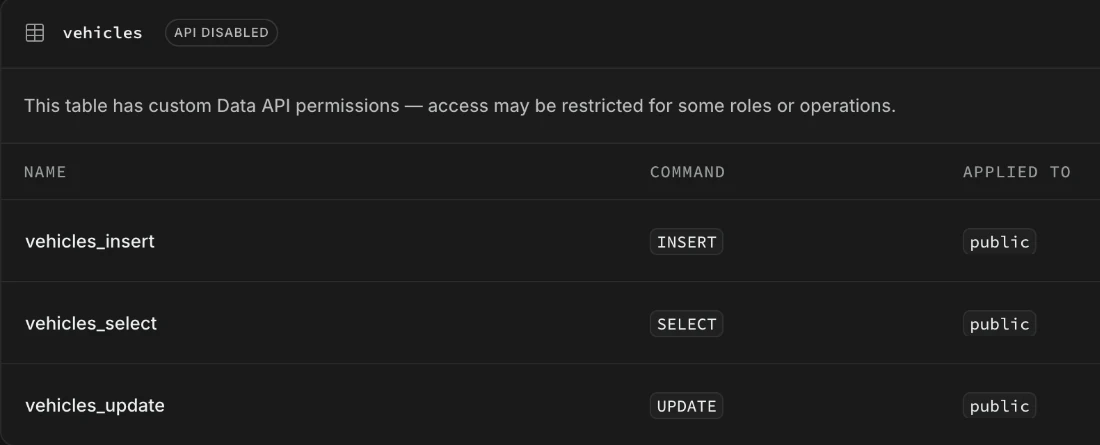 Supabase / row level security on vehicles: insert, select, update. No delete